
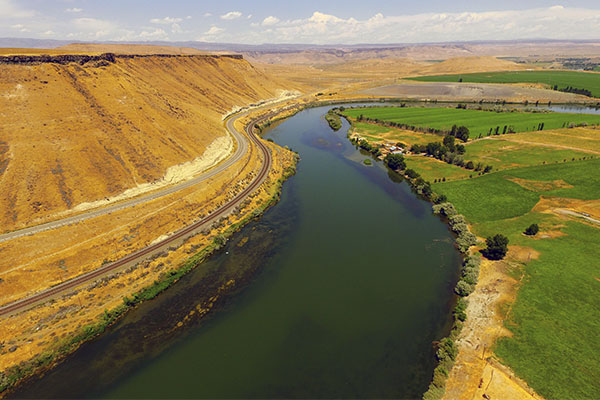
The Mahoning River, which flows through the heart of America’s former “Steel Valley,” bears the heavy mark of the industrial era. One of the most visible consequences of this legacy is a series of old, often unnecessary dams built to support industrial needs. Girard Dam was one of nine such structures on the river. For decades, these barriers transformed a living river into a chain of artificial reservoirs, damaging the ecosystem, limiting recreational opportunities, and creating hazardous areas. Efforts to dismantle Girard Dam were a key step in Friends of the Mahoning River’s long-term plan to restore the river to its natural, free-flowing state, promising a new era for wildlife and the local community.
Historical Purpose and Modern Risks
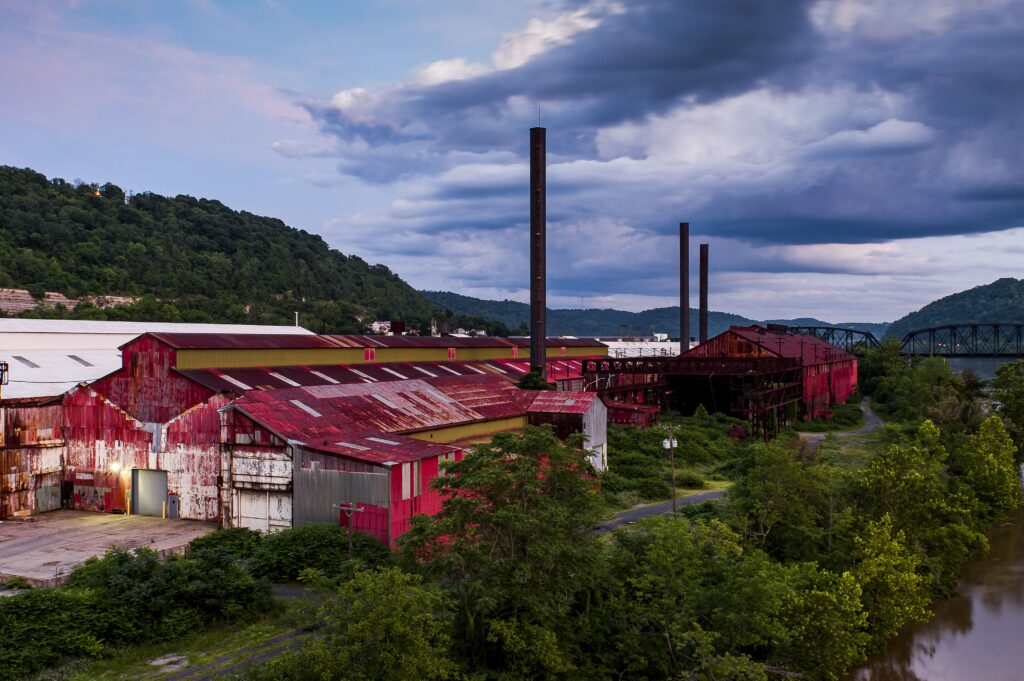
The dam at Girard, like many others on the Mahoning, was built during the heyday of the steel industry to provide factories with a steady supply of water for cooling and industrial processes. By 2014, when active planning for its removal began, it had long since lost its original economic significance. Instead, it had become a source of environmental and physical problems.
One of the most significant threats posed by such structures is the so-called “hydraulic jump” or “drowning machine.” This is a dangerous area where water falls and creates a powerful rotating current that can pull and hold people or paddlers underwater, making these areas extremely risky for any recreational activity. The removal of the Girard Dam immediately solved this problem, making part of the river safer for kayaking and canoeing.
The Environmental Need for Removal
From an environmental perspective, old dams are artificial barriers that critically disrupt the natural river cycle. Girard Dam created two major negative effects:
- Accumulation of Pollutants and Sediment: Dams act as filters, trapping sediment, soil, and, critically for the industrial Mahoning, pollutants. Behind the dam, a stagnant pool forms where heavy metals and toxic industrial waste mix with silt, degrading water quality and creating a slow-acting ecological time bomb. Removing the dam allows the river to clean itself naturally by redistributing and washing away contaminated sediments.
- Restriction of Fish Migration and Loss of Habitat: The dam completely blocked the natural migration of fish and other aquatic organisms. For species that need to move upstream or downstream to reproduce or find food, the dam was an insurmountable barrier. Removing this barrier opens up miles of river channel, allowing fish to recolonize previously inaccessible areas, restoring the river’s natural biodiversity. It also creates a more favorable environment for species such as aquatic insects and mollusks, which are an important part of the food chain.
Revival of Natural Flow and Recreation
After the removal of the Mahoning River dam in the Girard area, the river is returning to its free-flowing state. This has a number of direct benefits for the community and the environment:
- Restoration of the river ecosystem: Water velocity and depth are becoming more natural, creating a more diverse habitat for various species. Moving river water is better oxygenated, which is vital for the health of aquatic organisms.
- Creation of recreational opportunities: The removal of the dam makes the river much more attractive for water tourism. Paddlers can now safely navigate the river without having to portage around a dangerous dam, creating opportunities for the development of water trails and an economy focused on outdoor recreation.
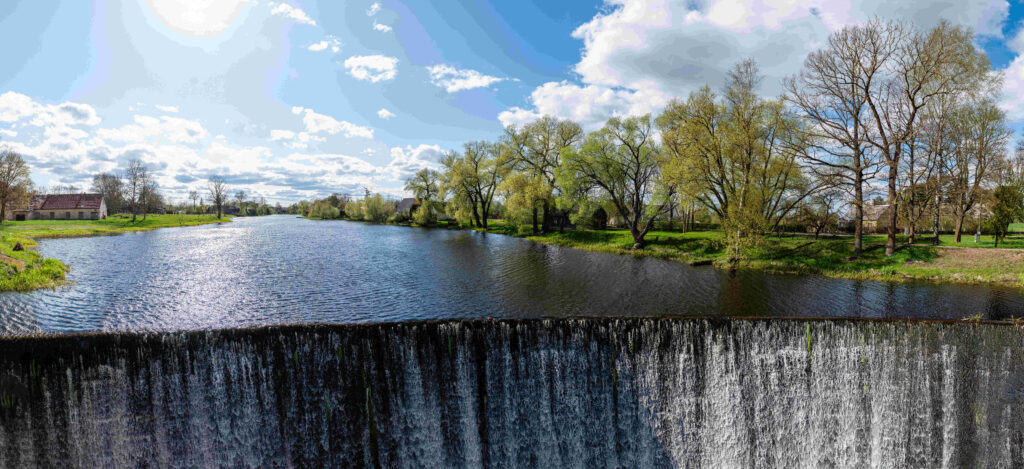
The Girard project is part of a broader initiative by Friends of the Mahoning River and partner organizations to remove all obsolete dams on the river. For example, at the time of writing the original article, the dam in Lowellville was also scheduled for removal. Each successfully removed barrier is a deliberate liberation of the river from its industrial past and an investment in the region’s ecological and recreational future. It demonstrates a deep understanding that a restored river is a more valuable resource than a river blocked by obsolete industrial barriers.
Comments are closed